
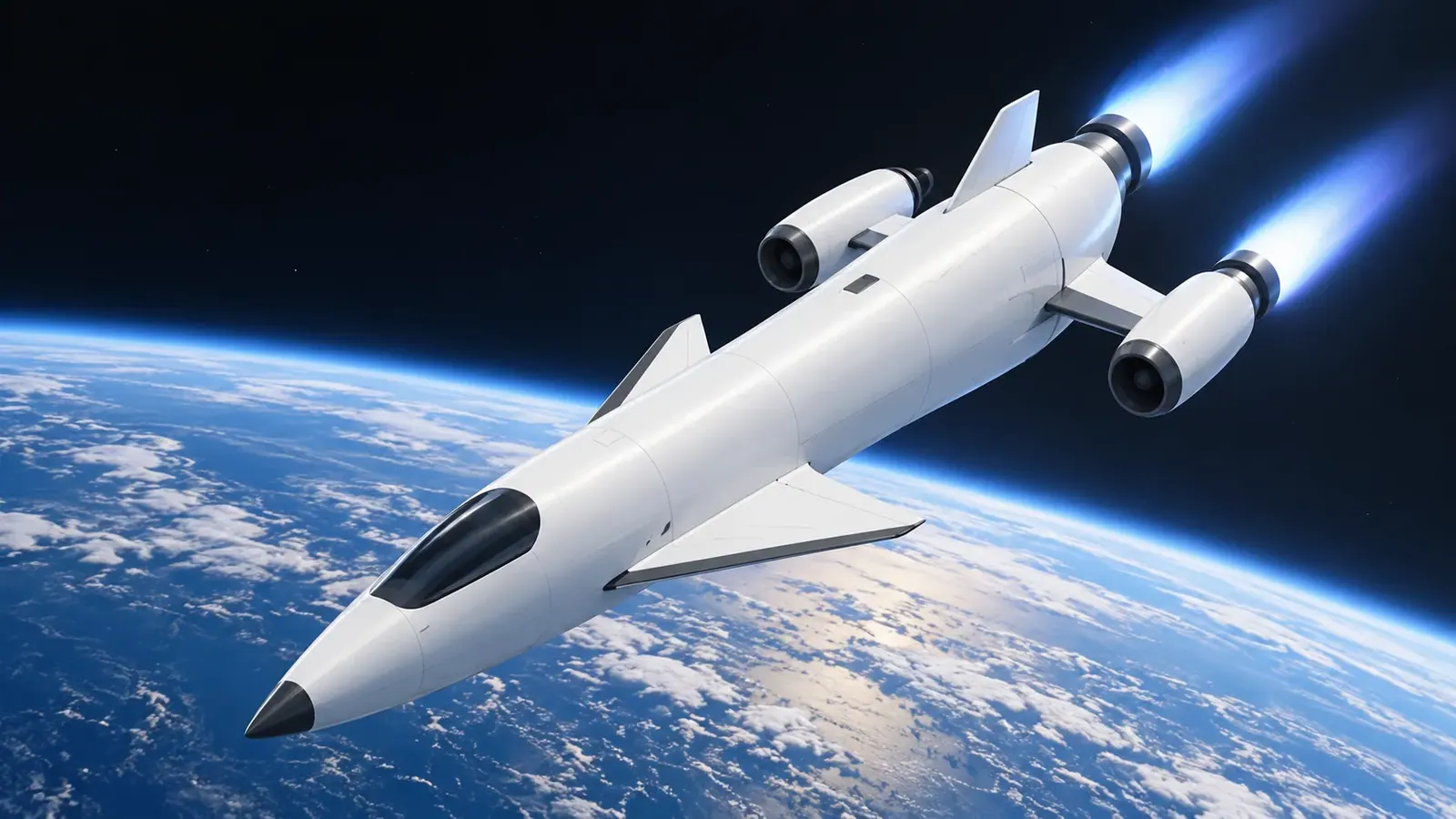
With “GyroDrive,” toward interplanetary travel and, in the future, interstellar travel.
This project is a challenge to verify our independently developed propulsion device, “GyroDrive,” as a new propulsion system that uses the precession of a gyro, with the aim of using it as a propulsion unit for interplanetary travel. Building on some 20 years of accumulated theoretical analysis, prototyping and experimentation, we will verify its reality scientifically and objectively and demonstrate its potential to society.
* The operating principle of GyroDrive is at the hypothesis and verification stage; third-party verification is yet to be conducted.
BackgroundWhy is a new propulsion system needed?
Today's space transportation faces the challenge of extremely high transport costs, due to expensive fuel, the need for large rockets and a small number of launches. We believe the root cause lies in the propulsion systems themselves.
01Limits of chemical propulsion
It requires large amounts of propellant and carries a risk of explosion. The amount of fuel that can be carried constrains the reachable range.
02Limits of electric propulsion
Although specific impulse is high, thrust is very weak, so acceleration takes an enormous amount of time. It is also constrained by the amount of propellant (xenon, etc.) that can be carried.
03Barriers to deep-space exploration
Since all existing methods depend on propellant, exploring the outer planets and the outer reaches of the solar system is difficult.
GyroDriveA new propulsion system: “GyroDrive"
GyroDrive is a propulsion device based on our own theory of obtaining thrust by using the precession of a gyro. Since it uses no propellant and runs on electric power alone, it is expected to be applicable to long-duration space missions.
The research began with an inexplicable phenomenon encountered while studying satellite attitude control. Since then, we have repeated theoretical analysis and prototyping, continuing improvements from Unit 1 through Unit 6. In experiments with the prototypes, we have repeatedly observed a phenomenon in which the load on a scale decreases while the device is operating, showing a certain degree of agreement with theoretical calculations.
| Compared with | Expected differences with GyroDrive (theoretical) |
|---|---|
| Chemical propulsion | No need to carry fuel, enabling significant mass reduction and lower operating costs |
| Electric propulsion (ion engines) | Continuous propulsion at high thrust |
| Conventional gravity-control research | A new architecture uniquely combining motor mechanisms |
* All of the above are projections at the theoretical and prototype stage and have not been demonstrated.
GoalProject purpose and goals
Positioning GyroDrive as a new propulsion system, the project aims to contribute to humanity's expansion into space through the realization of a space navigation system.
- Demonstrate a new propulsion system that enables interplanetary travel
- Conceive and develop a small spacecraft equipped with GyroDrive
- Establish the fundamental theory of the propulsion system through demonstration experiments and third-party verification
- Achieve practical application by obtaining patents and licensing them to spacecraft manufacturers
MilestoneMilestones
2026Phase 1 | Basic demonstration on the ground
Design and build a ground test unit and conduct basic demonstration experiments. Begin filing patents and activities toward licensing.
2027Phase 2 | Patent acquisition and disclosure
Obtain patents, publish experiment videos on the web and begin writing papers. Aim to conclude patent license agreements.
2028–Phase 3 | Toward practical application
Publish papers, and full-scale development by licensed manufacturers. On-orbit demonstration with a small satellite is also in view.
VerificationOur approach to verification
In this project, we place the highest priority on objectively confirming “whether thrust is really being produced."
- Quantitatively measure thrust (load change), power consumption, temperature and vibration noise
- Conduct experiments in an environment that minimizes the effects of noise, and carry out reproduction tests
- Experiments witnessed and data verified by independent third-party organizations with no conflicts of interest
- Publish reproducible experimental procedures and create an environment in which researchers around the world can replicate them
VisionThe future that opens up once it is realized
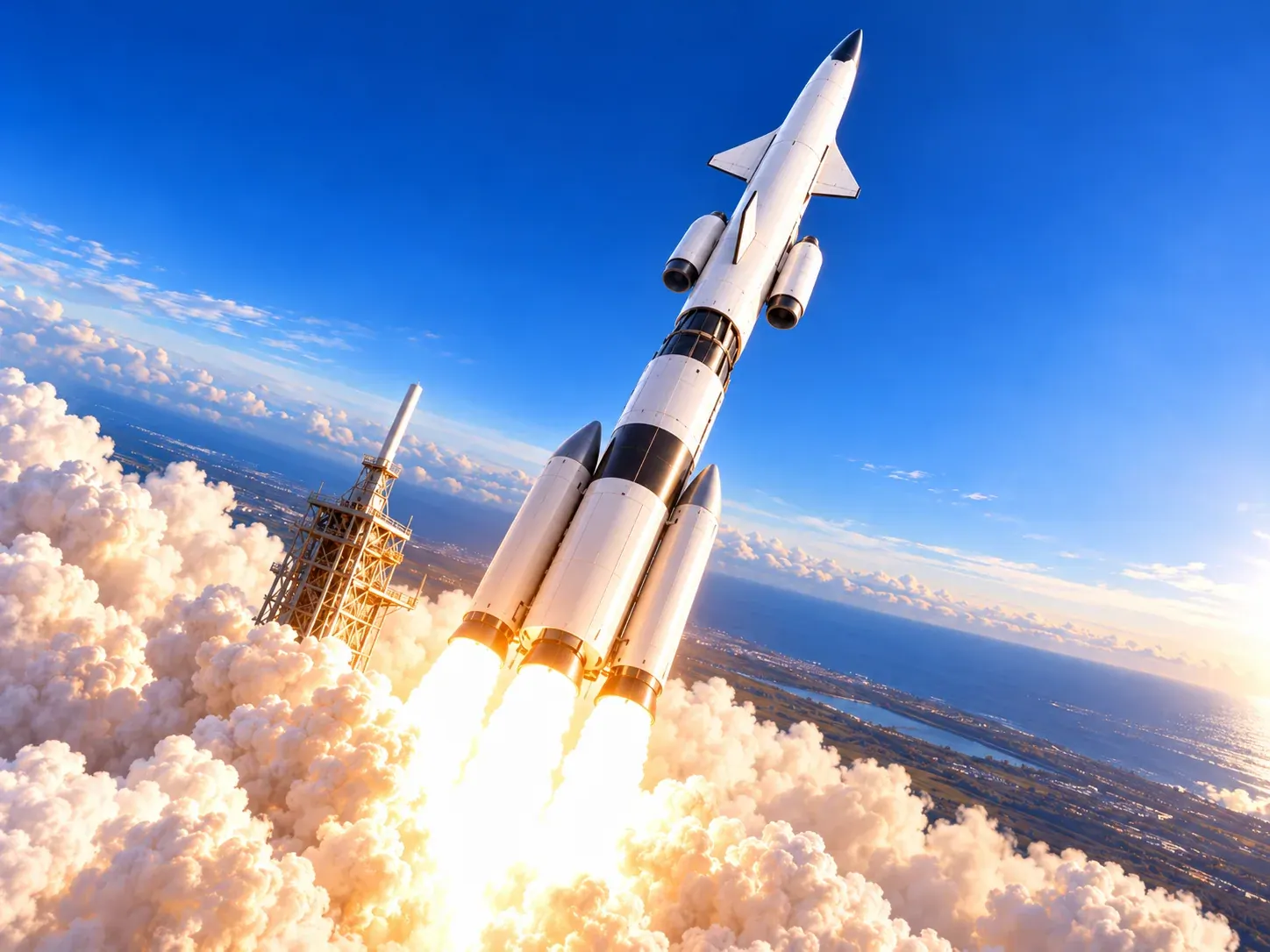
Lower space transportation costs
Eliminating the need for fuel significantly reduces launch weight.
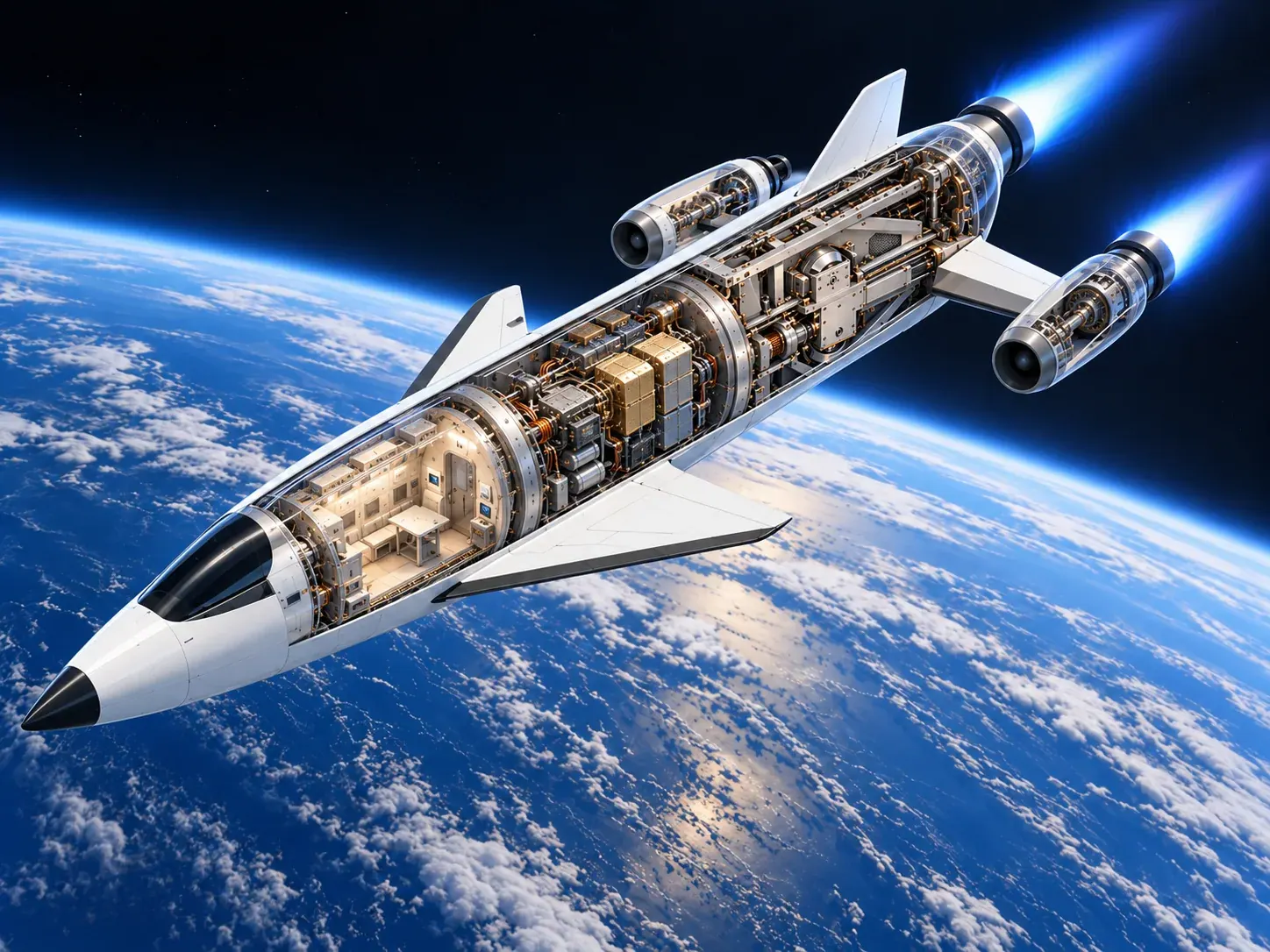
Making deep-space exploration a reality
Exploration of the outer planets and the outer solar system becomes a realistic option.
- Longer life for Earth-orbiting satellites and lower orbit-maintenance costs
- Encouraging SMEs and universities to enter space with a low-cost propulsion system
- Demonstrating the possibility of gravity control with experimental data, opening the door to new physics research
* Images are AI-generated concept images and do not represent actual designs or performance.
OrganizationProject structure
| Role | Role |
|---|---|
| Propulsion system theoretical design / overall project management | Space Propulsion Institute (tentative name) |
| Project secretariat (operations, PR, fundraising) | Strategic Partners Inc. |
| Parts manufacturing, measurement and analysis | In collaboration with universities, research institutions, measuring instrument manufacturers, etc. (planned) |
For questions about this project or to discuss collaboration, please contact us via the inquiry form.